Apprenticeships for Behavioral and Allied Health

Fast-Track Your Career in Healthcare
Meet your future in an apprenticeship. Get paid from day one.
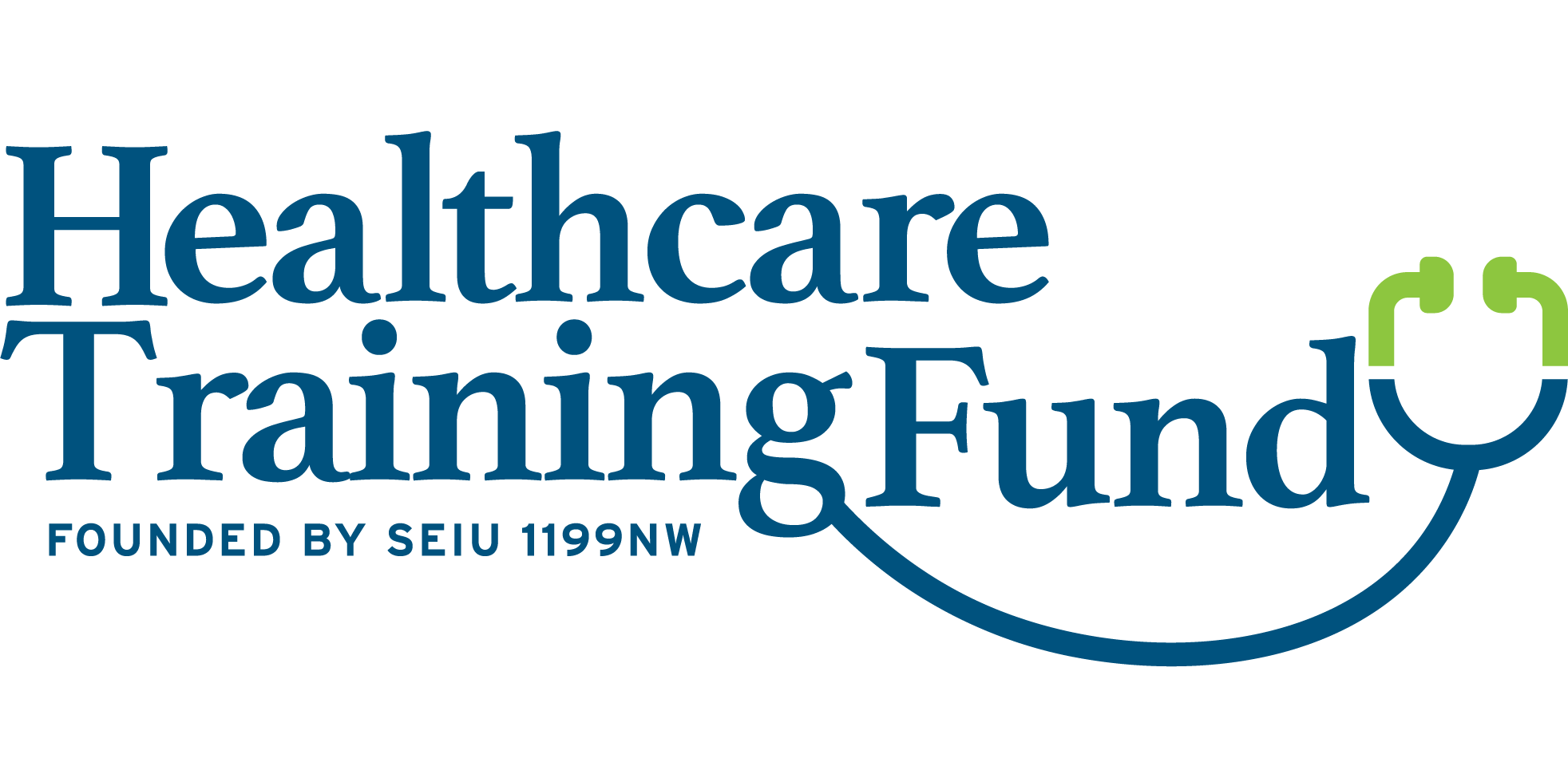
Apprenticeship is one of the quickest, most affordable ways to get trained for a career in healthcare.

Whether you’re drawn to clinical care, pharmacology, or mental health and recovery, our apprenticeships provide the quality training and support you need – for free. Apprenticeships are offered statewide with in-person and hybrid learning.
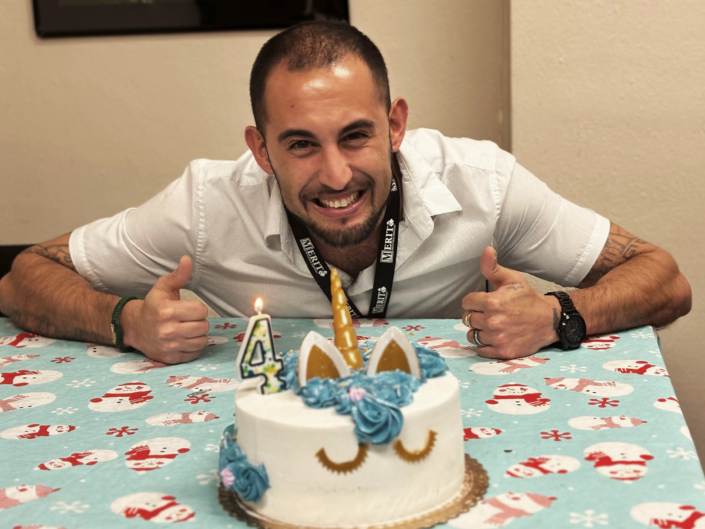
Interested in exploring an apprenticeship degree?

We are launching the new Apprenticeship College of Health with a Substance Use Disorder Professional (SUDP) pathway that is degree-bearing. Get professional certification and earn an associate of arts degree at the same time.

Behavioral Health

Turn Your Compassion Into a Career in Behavioral Health

Apprenticeships that train you to lead in mental health and recovery

A healthy community is only as strong as its mental health and recovery support. We believe you should not have to take on debt to get trained. As an apprentice, you jump right in learning on the frontlines of care – in a supportive workplace – where your work can change the lives of your clients and their families. 
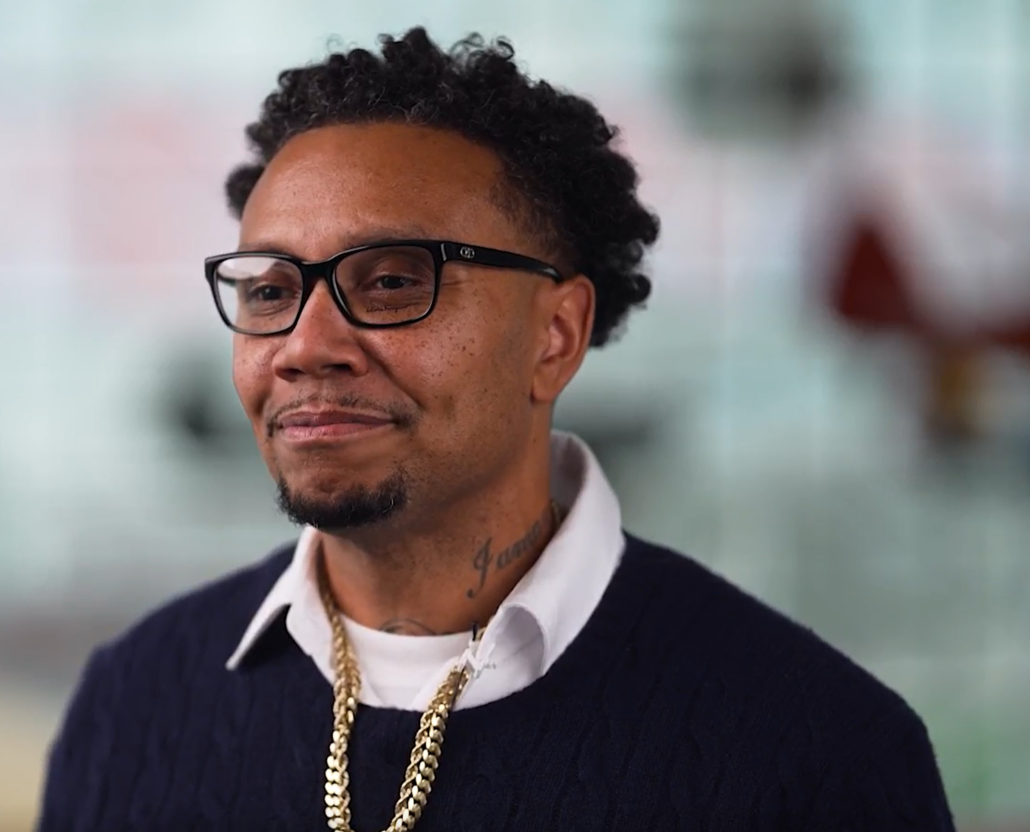
Why Choose a Behavioral Health Apprenticeship?
  • You are the Solution: Our communities are facing a critical shortage of care. By starting an apprenticeship, you are not just getting a certificate – you are becoming the backbone of a system that needs your skills.
  • Get Paid to Learn: The old pathway to a career required years of unpaid internships and student loans. Apprenticeships flip that, starting with a job, so you earn a paycheck while you learn.
  • Real Experience: You cannot learn de-escalation or case management from a book alone. You will work alongside experienced mentors who coach you through real scenarios, building the muscle memory you need for the job.
  • A Career Built to Last: Behavioral health is rewarding but demanding. Apprenticeships give you a realistic look at the daily work while helping you set the boundaries needed to avoid burnout. It is a sustainable foundation for a long-term career.

Explore Our Pathways

Behavioral Health Technician Apprenticeship

(1 year to complete)

Behavioral health technicians provide daily support and safety for patients with mental health and substance use challenges. You will lead therapeutic activities and monitor patient progress, all while being a consistent, caring presence that helps people stay on track toward recovery.

A Behavioral Health Technician is comparable to many other healthcare industry roles, including Psychiatric Aide/ Psychiatric Nursing Assistant, Mental Health Aide/Technician, Healthcare Aide, and Behavioral Health Nurse Aide.

Where is it offered?

Statewide, hybrid learning available.

What you get: 

  • Trained to assist clinics, treatment centers, and hospitals with behavioral healthcare for patients.
  • Nursing Assistant Certification (NA-C)

Certification Requirements:

  • 298 hours of classroom and lab sessions
  • 2,000 hours of work experience
  • Pass the Washington State Certified Nursing Assistant (CNA) exam

Upon Completion: 

  • You’ll have 24 college credits awarded by Bates Technical College
  • You’ll be committed to your job for 2 years following graduation 
Peer Support Specialist

(1 to 1.25 years to complete)

A Certified Peer Support Specialist brings their own model of resilience to benefit a wide range of clients and enables them to overcome obstacles associated with substance use and other behavioral health disorders.

Where is it offered?

Statewide, online learning available

What you get: 

  • Skills to use your lived experience to support individuals in recovery, while working alongside healthcare teams in clinics, treatment programs, and hospitals.
  • Certified Peer Support Specialist (CPSS) Certification

Certification Requirements:

  • 290 hours of classroom and lab sessions
  • 2,000 hours of work experience
  • Pass the Washington State Health Care Authority Certified Peer Counselor exam

Upon Completion: 

  • You’ll have 29 college credits awarded by Columbia Basin College
  • You’ll be committed to your job for 2 years following graduation 
Substance Use Disorder Professional Apprenticeship

(2 to 2.5 years to complete)

SUPDs are trained to conduct assessments, counsel individuals and groups, assist in insurance authorization, conduct utilization review, and assist with case management, in addition to other typical associated behavioral health duties.

Where is it offered?

Statewide. Online learning available.

What you get: 

  • Training to provide substance use disorder assessment, counseling, and care coordination in clinics, treatment programs, and healthcare settings
  • SUDP Certification

Certification Requirements:

  • 560 hours of classroom and lab sessions
  • 4,000 hours of work experience
  • Pass the National Association of Alcoholism and Drug Abuse Counselors (NAADAC) exam

Upon Completion: 

  • You’ll get 56 college credits awarded by Bates Technical College
  • You’ll be committed to your job for 2 years following graduation 

Candidates interested in the SUDP Apprenticeship must undergo a background check with the Washington State Department of Health in order to receive their SUDP-Trainee. 

Allied Health

Master the Skills Needed for In-Demand Jobs in Allied Health

Apprenticeships that train you to succeed in pharmacy practice, sterile processing, and patient care

A healthcare system only works when it has skilled people in every role – from the pharmacy to the exam room. We believe you should not have to take on debt to gain that expertise. As an apprentice, you will start in a professional environment earning a paycheck while learning the skills that keep patient care safe and efficient.
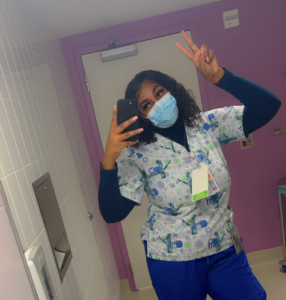
Why Choose an Allied Health Apprenticeship?
  • You Are In Demand – Clinics and hospitals are facing a critical shortage of technical staff. Gain the expertise that employers are competing for right now.
  • Earn While You Learn – Skip the expensive vocational school. Start your training with a job and a paycheck on day one.
  • Master the Tech You will train alongside clinical mentors and pharmacy technicians, building the hands-on confidence the job requires.
  • A Professional Launchpad  This is your entry point into medicine. Whether you stay in your specialty or eventually go into nursing or administration, you will have the credentials and work experience you need to grow.

Explore Our Pathways

Medical Assistant

(1 year to complete)

Medical assistants are usually the first people you meet before seeing a doctor. They gather vitals, assist doctors during procedures, do lab tests, administer medications, and provide patient education. They also manage medical records, schedule appointments, and handle insurance claims.

Where is it offered?

Statewide, in-person or hybrid learning.

What you get: 

  • Training to support patient care and clinic operations in medical offices, clinics, and healthcare organizations.
  • Medical Assistant Certification

Certification Requirements

  • 288 hours of classroom and lab sessions
  • 2,000 hours of work experience
  • Pass the Certified Clinical Medical Assistant (CCMA) exam

Upon Completion

  • You’ll get 21 college credits awarded by Bates Technical College
  • You’ll be committed to your job for 2 years following graduation
Pharmacy Technician

(1 year to complete)

A pharmacy technician helps ensure patients are safe by getting the right medicines to patients every time. They work under a pharmacist’s supervision to fill prescriptions, handle insurance claims, track inventory, and manage paperwork. 

Where is it offered?

Statewide. In-person or hybrid learning available.

What you get:

  • 264 hours of classroom and lab sessions
  • 2,000 hours of work experience
  • Pass the Pharmacy Technician Certification Exam (PTCE)

Upon Completion:

  • You’ll get 24 college credits awarded by North Seattle College
  • You’ll be committed to your job for 2 years following graduation
Central Sterile Processing Technician

Launch Date Pending

As a Central Sterile Processing Technician, you are responsible for the decontamination, sterilization, and distribution of critical medical instruments. You ensure that every surgical team has the sterile equipment they need to provide safe patient care.

Where is it offered: To be announced

Certification Requirements

  • 354 hours of classroom and lab sessions
  • 2,000 hours of work experience
  • Obtain the Certified Registered Central Service Technician (CRCST) exam.

Upon Completion

  • You’ll receive college credits – to be announced
  • You’ll be committed to your job for 2 years following graduation

How Healthcare Training Fund Apprenticeships Work

  • Start with Your job:

    You start by finding a job in one of our apprenticeship pathways.

  • Get Paid While You Learn:

    Work full-time while gaining skills from experienced teachers, coaches, and a mentor.

  • Convenient Schedule:

    Your coursework and on-the-job training are built into a 40-hour work week.

  • Be Supported:

    Overcome obstacles with free support and services that may include transportation, childcare, and laptop loans.

  • Earn College Credit:

    Build your college transcript for free as part of your apprenticeship.

  • Get Certified:

    As part of your apprenticeship, you will pass the exam and become a licensed professional.

  • Graduate and Keep Growing:

    A post-graduation service commitment is required.

Apprenticeship Eligibility Requirements

  • Candidates must be at least 18 years old

  • High school diploma or equivalent

  • Ability to work 40-hour work week

  • SUDP apprentice candidates must meet English and math prequalification levels equivalent to that of a high school senior

Are you interested in youth apprenticeships? See our College in High School Programs.

Interested in becoming an apprentice? Here’s how to get started:

Step 1

Let’s Connect

Submit your interest here. We’ll stay in touch with apprenticeship updates.

Step 2

Get Informed

Register for an upcoming discovery session to learn about our apprenticeship pathways here. You’ll leave our session knowing your next steps.

Step 3

Keep in touch

Our team is here to help. Email us apprenticeship@healthcaretrainingfund.org.